
Hormone Replacement Therapy for Menopause in Pompano Beach, Florida

Morning arrives, yet exhaustion lingers despite hours spent sleeping. Sudden waves of heat appear without warning, disrupting routine moments. Irritation grows where patience once settled easily. Physical reactions differ from those remembered in earlier years. Recognition of these signs may point toward an ongoing shift.
Changes linked to menopause tend to emerge softly at first, gaining strength until ordinary tasks demand more effort than before. Balance may return. When managed properly, hormone replacement during menopause helps ease symptoms while supporting future well-being.
Missing periods mark only one part of menopause. Shifting hormones influence mental clarity, circulation, bone strength, rest patterns, and energy use. Across Florida, warm air and damp conditions may intensify nighttime sweating and sudden warmth. For this reason, some females consider hormonal support methods sooner than anticipated.
This article covers every part. What menopause actually involves appears clearly here. Hormone replacement therapy function follows next. Benefits show up alongside possible downsides. One section helps match choices to personal needs. Whether treatment fits depends on several factors explored within.
Hormone Replacement Therapy and Menopause Symptoms Explained
When the ovaries gradually reduce estrogen and progesterone output, menstrual cycles become irregular. Confirmation of menopause comes only after one full year has passed with no bleeding episodes. Long before that point, changes often begin – this transition phase goes by another name. During these earlier stages, physical shifts tend to appear, signaling what lies ahead.
Hormones shift gradually, never vanishing in a single phase. Their movement follows an irregular pattern. At times, estrogen dips while progesterone climbs; testosterone may join the imbalance without warning.
Changes like these affect how body heat is regulated, rest patterns stabilize, emotions stabilize, bones maintain strength, and circulation functions continue. For this reason, each woman experiences menopause differently – no two paths are identical.
Common symptoms of menopause include:
- Hot flashes and night sweats
- Poor sleep and fatigue
- Mood changes or anxiety
- Brain fog
- Vaginal dryness
- Bone loss over time
According to the North American Menopause Society, symptoms can last several years if left untreated.
What Is Hormone Replacement Therapy?
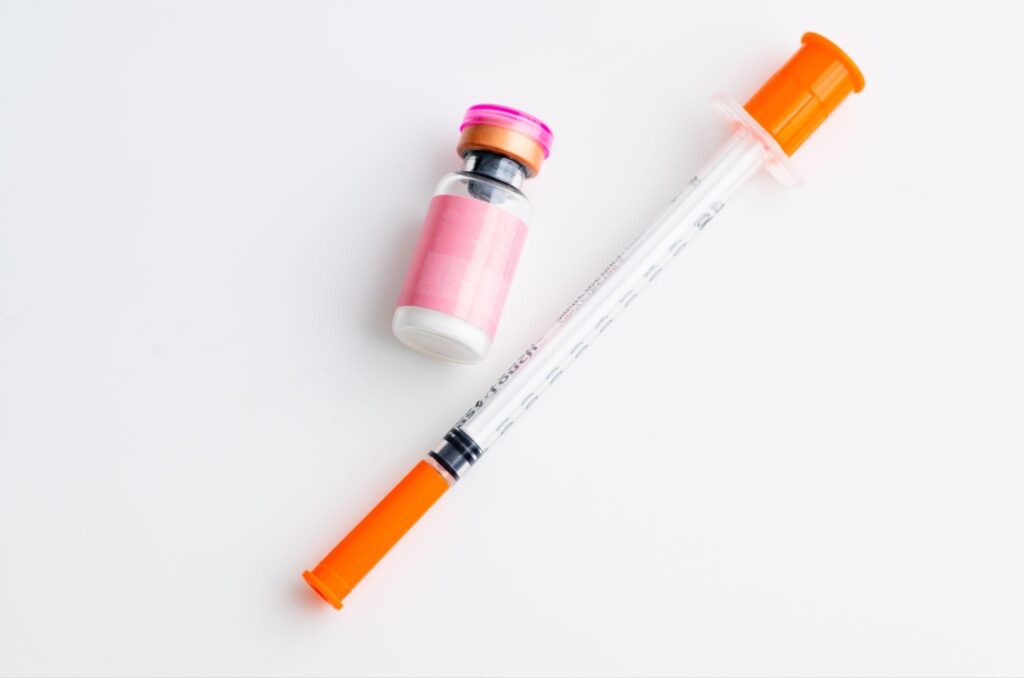
Hormone replacement therapy, often called HRT, replaces hormones your body no longer makes at healthy levels. HRT focuses on estrogen, progesterone, and sometimes testosterone, depending on your needs.
Hormone therapy works by stabilizing hormone levels so your brain and organs can function more normally again. This is why many women notice better sleep, fewer hot flashes, and improved mood within weeks of starting therapy.
There are two main goals of hormone therapy for menopause:
- Treat symptoms of menopause, especially vasomotor symptoms like hot flashes
- Reduce long-term health risks, such as bone loss and heart disease
The Mayo Clinic confirms hormone therapy remains the most effective treatment for hot flashes when prescribed correctly.
Types of Hormone Therapies for Menopause
Hormone therapy is not one-size-fits-all. Doctors choose the type based on symptoms, medical history, and whether you still have a uterus.
Estrogen Therapy Options
Estrogen therapy may be systemic or local.
- Oral estrogen treats whole-body symptoms but may increase clot risk in some women
- Transdermal estrogen, such as patches or gels, enters through the skin and often has a lower risk profile
- Local estrogen therapy, including vaginal creams or tablets, treats dryness and discomfort without affecting the whole body
Estrogen and Progesterone Combined Therapy
Women with a uterus must take progesterone with estrogen. Progesterone protects against endometrial cancer and uterine cancer. This is called combined hormone therapy.
Testosterone Therapy for Women
Energy levels dip. Some women find benefit through testosterone treatment under medical supervision. When tests confirm a deficiency, professionals consider this path cautiously. Decisions follow clear evidence, never assumptions.
Bioidentical vs FDA-Approved Hormone Therapy
Identical in structure to naturally produced hormones, bioidentical hormones mirror human biochemistry exactly. Meeting rigorous testing protocols, approved treatments receive authorization only after thorough review. When managed carefully by trained professionals, either approach may support health outcomes under supervision.
Effects of Hormone Therapy on Menopause Symptoms
Hormone therapy works best for moderate to severe symptoms of menopause.
Benefits of hormone replacement therapy include:
- Fewer hot flashes and night sweats
- Better sleep quality
- Improved mood and mental clarity
- Relief from vaginal dryness
- Slower bone loss and lower fracture risk
Estrogen therapy may also help support heart health when started within 10 years of menopause, according to large clinical studies.
Effects at a Glance
| Symptom or Risk Area | How HRT May Help |
| Hot flashes | Reduces frequency and intensity |
| Night sweats | Improves sleep quality |
| Bone loss | Slows osteoporosis risk |
| Vaginal dryness | Restores tissue health |
| Mood changes | Stabilizes hormone-driven shifts |
Risks of HRT and Safety Considerations
Hormone therapy may increase certain risks depending on timing, dose, and health history. This is where medical guidance matters.
Known risks of HRT may include:
- Blood clots
- Stroke
- Breast cancer with long-term combined hormone therapy
Risk depends on several factors:
- Age when you start hormone therapy
- Time since menopause
- Family history of breast cancer or heart disease
- Type and dose of estrogen
This hormone therapy position statement confirms that benefits often outweigh risks for healthy women under 60 or within 10 years of menopause.
Who Should Take HRT and Who Should Not
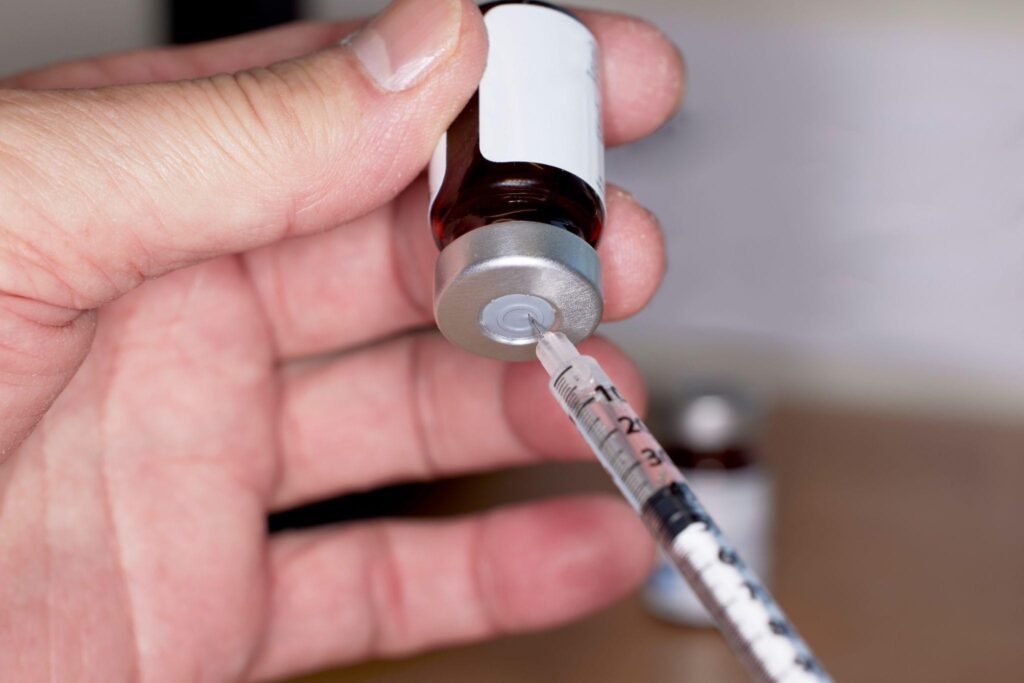
You may be a good candidate for hormone therapy if you:
- Have moderate to severe menopause symptoms
- Are within 10 years of menopause onset
- Have no history of estrogen-sensitive cancer or clotting disorders
Some women should avoid systemic therapy or consider alternatives. This includes women with a history of breast cancer, unexplained vaginal bleeding, or active liver disease.
Lab testing and symptom review help guide safe treatment. HRT works best when tailored, not copied from someone else’s plan.
HRT in Florida and Why Local Care Matters
Heat in Florida may intensify hot flashes alongside nighttime sweating. During hotter periods, restful sleep tends to falter. Body fluids diminish under intense sunlight, while prolonged UV exposure disrupts hormonal balance. Symptoms of menopause then unfold with greater intensity than anticipated.
Heat persists year-round in South Florida, shaping daily routines and outdoor habits. Because of this climate, physical responses to hormone therapy may differ from those seen elsewhere. Treatment plans often require adjustments when lifestyles involve frequent sun exposure. A provider familiar with local conditions might notice subtle shifts sooner. Adjustments emerge naturally when medical experience aligns with regional living patterns. Where care occurs affects how hormones are managed over time.
At Icon Aesthetics & Wellness in Pompano Beach, treatment plans adapt to individual hormone needs alongside regional living patterns. Adjustments respond continuously to changing symptoms rather than fixed methods. Long-range wellness shapes decisions more than standardized approaches ever could.
Alternatives to Hormone Therapy for Menopause

Some women prefer non-hormonal options or need them for medical reasons.
Alternatives may include:
- Non-hormonal prescription medications
- Diet and exercise changes
- Sleep support and stress reduction
- Supplements with clinical backing
These approaches may work alone for mild symptoms or alongside hormone therapy for added support.
Frequently Asked Questions About Hormone Therapy for Menopause
1. What is the best hormone therapy for menopause?
The best therapy depends on your symptoms, age, and medical history. Transdermal estrogen is often preferred for safety.
2. Is HRT safe for long-term use?
HRT may be safe for many women when monitored regularly. Risk increases with long-term use of combined therapy.
3. When should I start hormone therapy?
Most women benefit most when they start hormone therapy within 10 years of menopause.
4. Can HRT help with weight gain during menopause?
HRT does not cause weight loss, but it may reduce fat redistribution linked to estrogen loss.
5. Is testosterone therapy safe for women?
Testosterone therapy can be safe when prescribed at low doses with lab monitoring.
Final Words – Managing Menopause With Confidence
Menopause changes your hormone levels, but it does not have to control your life.
Hormone replacement therapy can reduce symptoms, protect bone health, and improve daily comfort when guided by medical expertise. The right plan starts with understanding your body, your risks, and your goals.
If menopause symptoms are affecting your sleep, mood, or health, schedule a consultation with our team to review your symptoms and explore whether hormone therapy is right for you. You do not have to guess your way through this phase.

Chad Van Horn, PA-C, is a board-certified physician assistant and one of America’s Top 100 Aesthetic Providers. Known online as “Needle Daddy,” he specializes in aesthetic and anti-aging medicine with a focus on natural, beautiful results and patient comfort. A graduate of Barry University’s Clinical Medical Science program, Chad combines medical precision with artistic vision drawn from his background in music and photography. Outside of work, he enjoys spending time with his family and two dogs.