
Many men ignore these early signs. Weeks turn into months. Energy drops more. Weight creeps up. Motivation fades. What you are feeling may be low testosterone levels, and it is more common than most people think.
Testosterone is the primary male sex hormone. It controls energy, muscle mass, mood, and sexual function. When your body is unable to produce enough, your entire system slows down. This is often called testosterone deficiency or andropause.
Men’s HRT in Pompano Beach offers a clear path forward. With proper testing and a structured treatment plan, you can restore hormone balance and feel like yourself again. The first step is simple. Get your hormone levels checked and understand what your body is telling you.
What Is Low Testosterone and When Should Men in Pompano Beach Get Tested?
Low testosterone is not just about aging. It is a medical condition where your body cannot maintain a healthy level of testosterone needed for normal function.
How Low T Is Diagnosed With Symptoms and Lab Testing
Doctors diagnose low testosterone based on symptoms and lab results. Blood tests measure your testosterone level, usually in the morning when levels peak. If your results show consistently low levels along with symptoms, you may be diagnosed with hypogonadism.
According to Cleveland Clinic, low testosterone occurs when the testicles or the pituitary gland fail to produce or regulate a sufficient amount of hormones.
It is important to note this. Testosterone levels naturally begin to decline about 1 percent each year after age 30. But a significant drop in symptoms is not normal aging. It is a condition that needs evaluation.
Why Testosterone Matters
Testosterone plays a key role in men’s health. It is responsible for:
- Muscle mass and strength
- Bone density and bone health
- Red blood cell production
- Sexual function and libido
- Cognitive function and mood
Hormones are chemical messengers. When they fall out of balance, your body struggles to maintain stability. Low testosterone can also affect cardiovascular health, body fat distribution, and long-term wellness.
Causes of Low Testosterone in Men

Low testosterone does not happen for one reason. It usually develops from a mix of biological, lifestyle, and environmental factors.
Age-Related Decline
Testosterone levels naturally decline as men age. This gradual decrease starts after 30 and continues over time. Many older men experience lower testosterone levels, but not all need treatment.
Still, some men experience a sharper decline. This leads to noticeable symptoms that affect daily life.
Medical and Lifestyle Factors
Several conditions directly affect hormone levels:
- Obesity and excess body fat
- Type 2 diabetes
- Chronic stress and high cortisol
- Poor sleep or sleep apnea
These factors can suppress testosterone production and contribute to hormone imbalances.
Your lifestyle matters more than you think. Diet, activity level, and sleep all influence how your body produces hormones.
Environmental and Behavioral Influences
Daily habits also play a role:
- Alcohol overuse
- Certain medications
- Exposure to endocrine disruptors
These factors may not cause symptoms overnight. But over time, they reduce your body’s ability to produce a sufficient amount of hormones.
Signs and Symptoms of Low T
Low testosterone affects your body, mind, and performance. The changes often build slowly, so many men miss the early signs.
Physical Symptoms
Common physical changes include:
- Persistent fatigue
- Loss of muscle mass
- Increased body fat
- Reduced body hair or facial hair
- Low libido and erectile issues
These symptoms reflect reduced anabolic activity and declining hormone levels.
Mental and Emotional Changes
Testosterone also supports brain function. When levels drop, you may notice:
- Brain fog
- Irritability
- Low mood or depression
- Reduced confidence
Mood changes are a common symptom of low testosterone.
Performance and Lifestyle Impact
Low T affects how you show up every day:
- Reduced work performance
- Less motivation to exercise
- Lower drive in relationships
Pay attention to patterns. If multiple symptoms show up together, testing is the next step.
What Is Men’s HRT, TRT, and Testosterone Replacement Therapy?
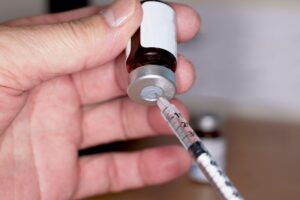
Once you understand the problem, the next question is how to fix it. This is where hormone therapy comes in.
How Testosterone Therapy Works
Testosterone replacement therapy restores your hormone levels to a healthy range. The goal of testosterone treatment is balance, not excess.
When your levels normalize, your body starts functioning more efficiently again. Energy improves. Recovery gets easier. Mental clarity returns.
Types of Testosterone Therapy
There are several treatment options available:
| Type | How It Works | Best For |
| Injection | Direct administration of testosterone into muscle | Precise dosing, consistent results |
| Topical gels | Applied to skin daily | Non-invasive option |
| Pellets | Implanted under skin for slow release | Long-term convenience |
Each method has pros and cons. The right choice depends on your lifestyle and goals.
Personalized Treatment Approach
No two patients are the same. A proper plan includes:
- Full hormone panel testing
- Monitoring of hormone levels over time
- Adjustments based on response
This matters. Poorly managed testosterone therapy increases risks. Medical supervision keeps your treatment safe and effective.
Benefits of Testosterone Replacement Therapy
When done correctly, HRT for men can improve several areas of health.
Physical Benefits
You may notice:
- Increased energy and stamina
- Improved muscle mass and strength
- Reduced body fat
Testosterone helps your body rebuild and recover more efficiently.
Mental and Emotional Benefits
Hormone balance supports brain function:
- Better focus
- Improved mood
- Reduced irritability
Many men report feeling more like themselves again.
Sexual Health Improvements
Testosterone also affects male sexual health:
- Increased libido
- Improved erection quality
- Better overall sexual function
These changes often restore confidence and improve relationships.
Safety, Risks, and Medical Considerations
Before starting treatment, you need a clear understanding of the risks and benefits.
Who Is a Good Candidate?
You may qualify if:
- You have symptoms of low testosterone
- Lab tests confirm low levels
- You are medically cleared
Potential Risks and Side Effects
Testosterone therapy may include:
- Acne
- Fluid retention
- Increased red blood cell count
There are also concerns about cardiovascular risk and the risk of prostate cancer, although current research shows mixed results. This is why monitoring is essential.
Monitoring and Long-Term Management
Your care plan should include:
- Regular blood tests
- Tracking of hormone levels
- Adjustments to dosage
Do not skip follow-ups. Long-term safety depends on consistent monitoring.
What to Expect at Icon Aesthetics & Wellness

Choosing the right provider makes a big difference in your results.
Initial Consultation and Assessment
Your first visit includes:
- Detailed symptom review
- Full lab panel
- Review of current health and history
This gives a clear picture of your hormone levels and overall health.
Customized Treatment Plan
Your plan is built around your needs:
- Correct dosing
- Best delivery method
- Clear expectations
Ongoing Support and Optimization
You will not be left guessing. Ongoing care includes:
- Follow-up visits
- Lab monitoring
- Adjustments as needed
Provider Expertise
Care is led by Chad Van Horn, PA-C. His approach focuses on precision and natural results, not overcorrection.
Testosterone Therapy Timeline: When Results May Start to Show

Results take time, but most men notice changes sooner than expected.
Short-Term Changes (Weeks 1–4)
- Improved energy
- Better mood
- Slight increase in motivation
Mid-Term Results (1–3 Months)
- Increased strength
- Better libido
- Improved mental clarity
Long-Term Outcomes (3–6+ Months)
- Leaner body composition
- Stable energy levels
- Improved overall health
Consistency matters more than speed.
Combining HRT with Lifestyle Optimization
HRT works best when paired with healthy habits.
Nutrition and Weight Management
Focus on:
- High protein intake
- Healthy fats
- Balanced calories
Exercise and Strength Training
Strength training boosts testosterone production and supports muscle growth.
Sleep and Stress Control
Sleep is critical. Poor sleep lowers testosterone levels. Managing stress helps regulate hormone balance.
FAQs About Men’s HRT, Low T, and TRT in Pompano Beach
1. How do I know if I have low testosterone?
You can know whether you have low testosterone by combining symptoms with blood testing. At Icon Aesthetics & Wellness in Pompano Beach, your provider can review symptoms such as fatigue, low libido, reduced muscle mass, mood changes, and brain fog, then confirm whether your testosterone levels are low with appropriate lab work.
2. How long do I need to stay on HRT?
The length of men’s HRT depends on your diagnosis, symptoms, lab results, response to treatment, and health goals. Some men continue testosterone therapy long-term with regular monitoring, while others may adjust their plan over time. Your provider should reassess your labs, symptoms, and safety markers before making changes.
3. What happens when a male does HRT?
When a man starts HRT for confirmed Low T, the goal is to restore testosterone to a healthy range under medical supervision. Over time, some men notice improved energy, mood, libido, strength, recovery, and mental clarity. Treatment should be monitored with follow-up visits and lab work to keep results safe and appropriate.
4. Which is better, HRT or TRT?
TRT is a type of HRT focused specifically on testosterone, so the better option depends on your lab results and hormone needs. Men with confirmed low testosterone may be candidates for TRT, while broader HRT may address additional hormone imbalances. A consultation and lab work help determine the right approach.
5. At what age should men start HRT?
Men should consider HRT when they have symptoms of Low T and lab results confirm low testosterone, not at one specific age. Some men notice symptoms in their 30s or 40s, while others do not need treatment until later or never need it. At Icon Aesthetics & Wellness in Pompano Beach, evaluation should be based on symptoms, testing, medical history, and safety factors.
6. Does men’s HRT help with erectile dysfunction?
Men’s HRT may help with erectile dysfunction when low testosterone is part of the cause. ED can also be related to circulation, stress, medications, sleep, or other health issues, so a proper evaluation is important. If Low T is confirmed, testosterone therapy may support libido and sexual wellness as part of a monitored plan.
Start With a Men’s HRT / Low T Consultation in Pompano Beach
Low testosterone is common, especially as men age. But that does not mean you have to accept it. The right diagnosis gives you answers. The right treatment gives you results.
If you are dealing with fatigue, low libido, or declining performance, get evaluated. A structured Men’s HRT program plan can help restore balance and improve how you feel every day. Schedule a consultation at Icon Aesthetics & Wellness and take the first step toward better men’s health.
